
Project detail • Game Development / Narrative Design • 2023
The Library of Alexandria
A story-driven 2D game prototype with roguelike structure, dialogue, and perk-based progression, built around a librarian protagonist travelling into a ruined knowledge-obsessed world.
Project summary
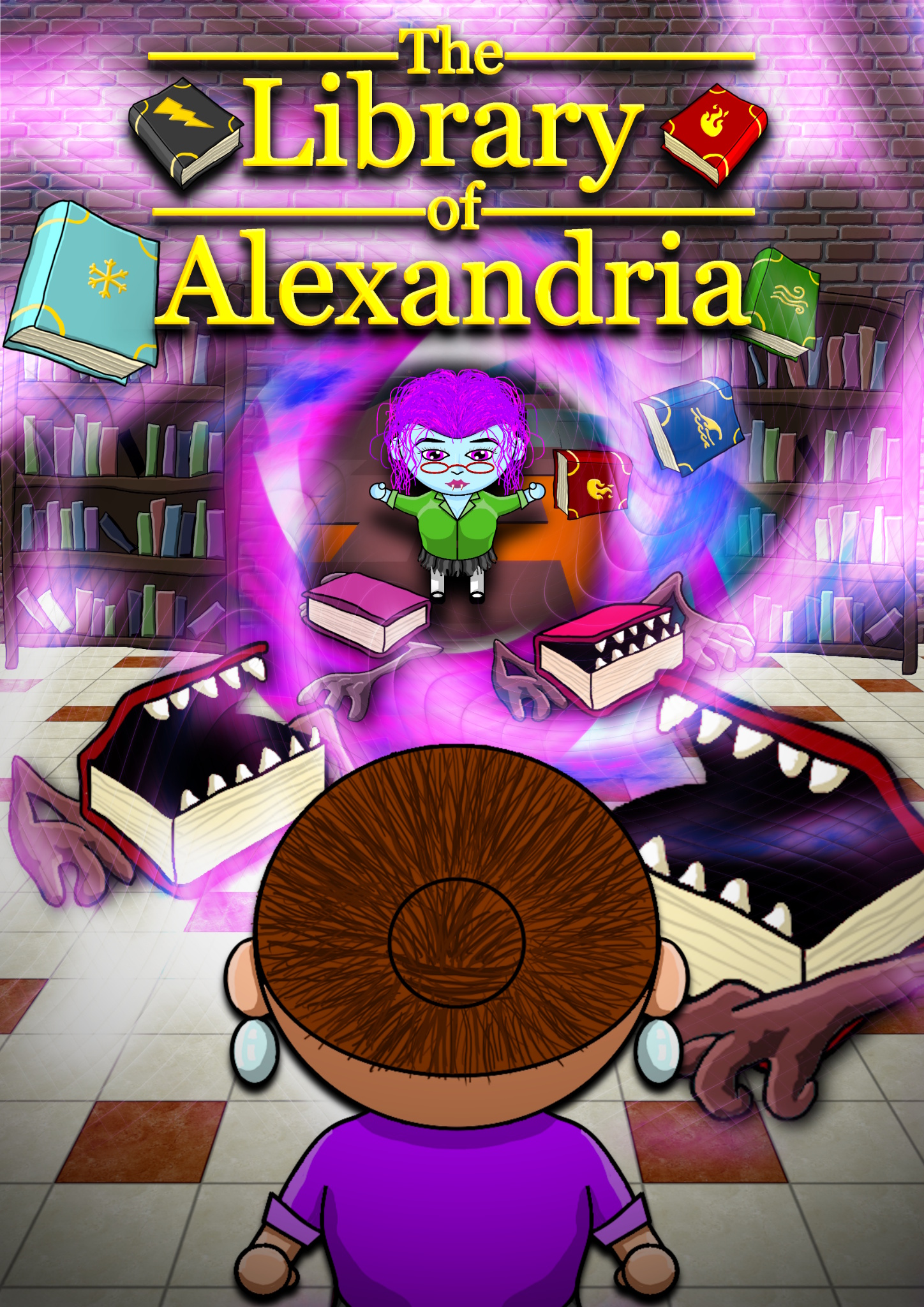
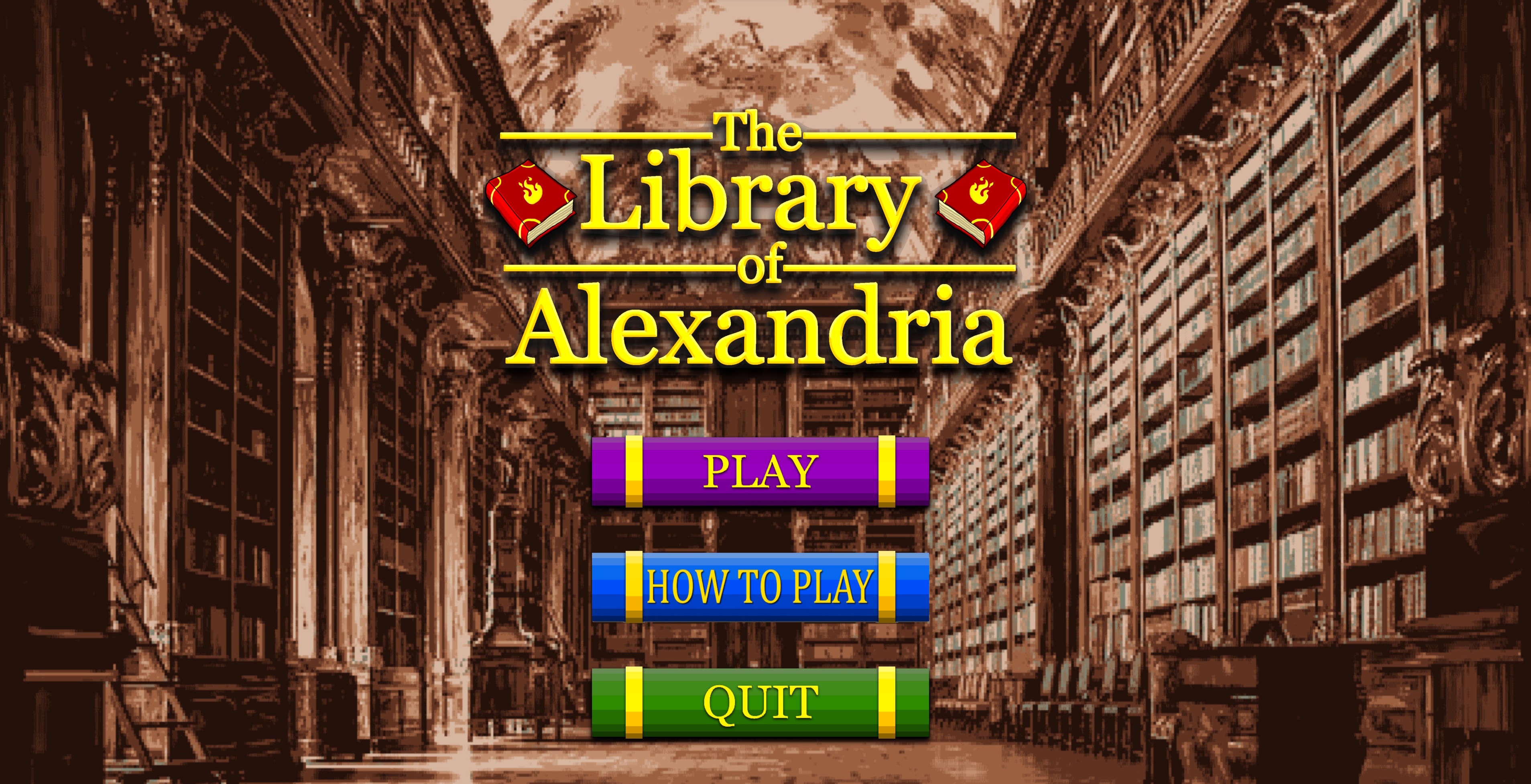
The Library of Alexandria was developed as a narrative game design project focused on combining story, worldbuilding, dialogue, and gameplay systems into a coherent prototype. The game follows a librarian named Alexandria, who is forced out of her familiar world and into a hostile parallel dimension in order to recover stolen books.
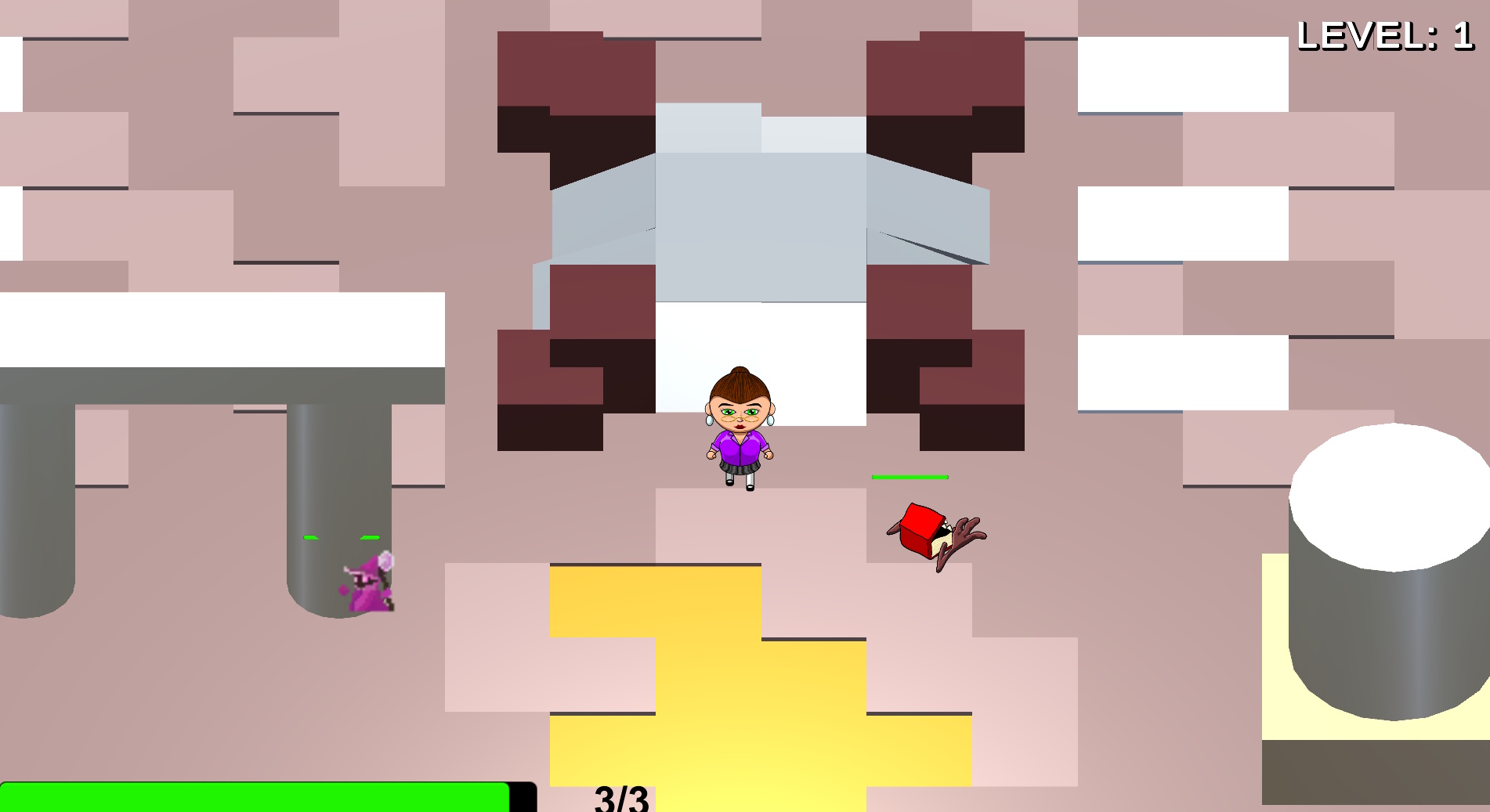
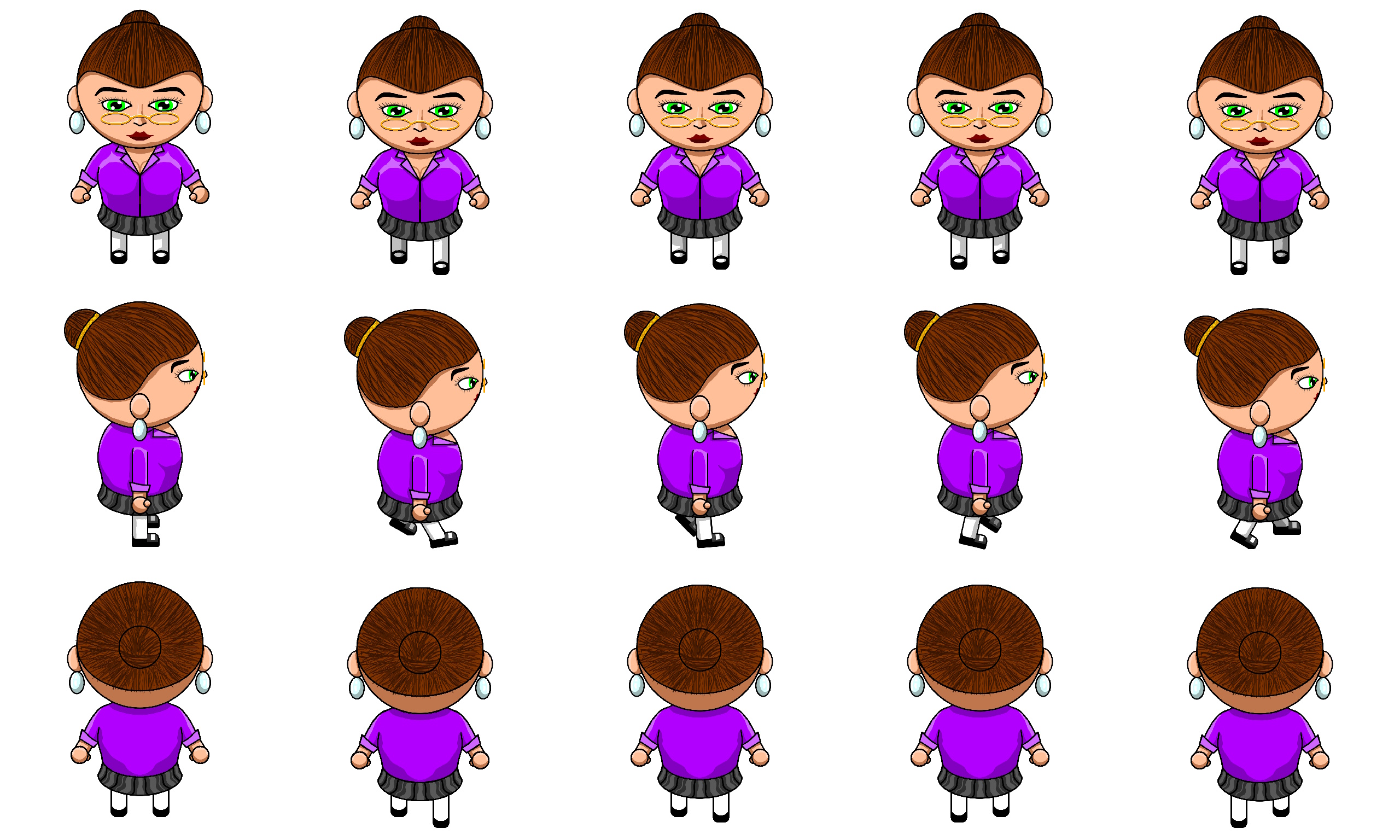
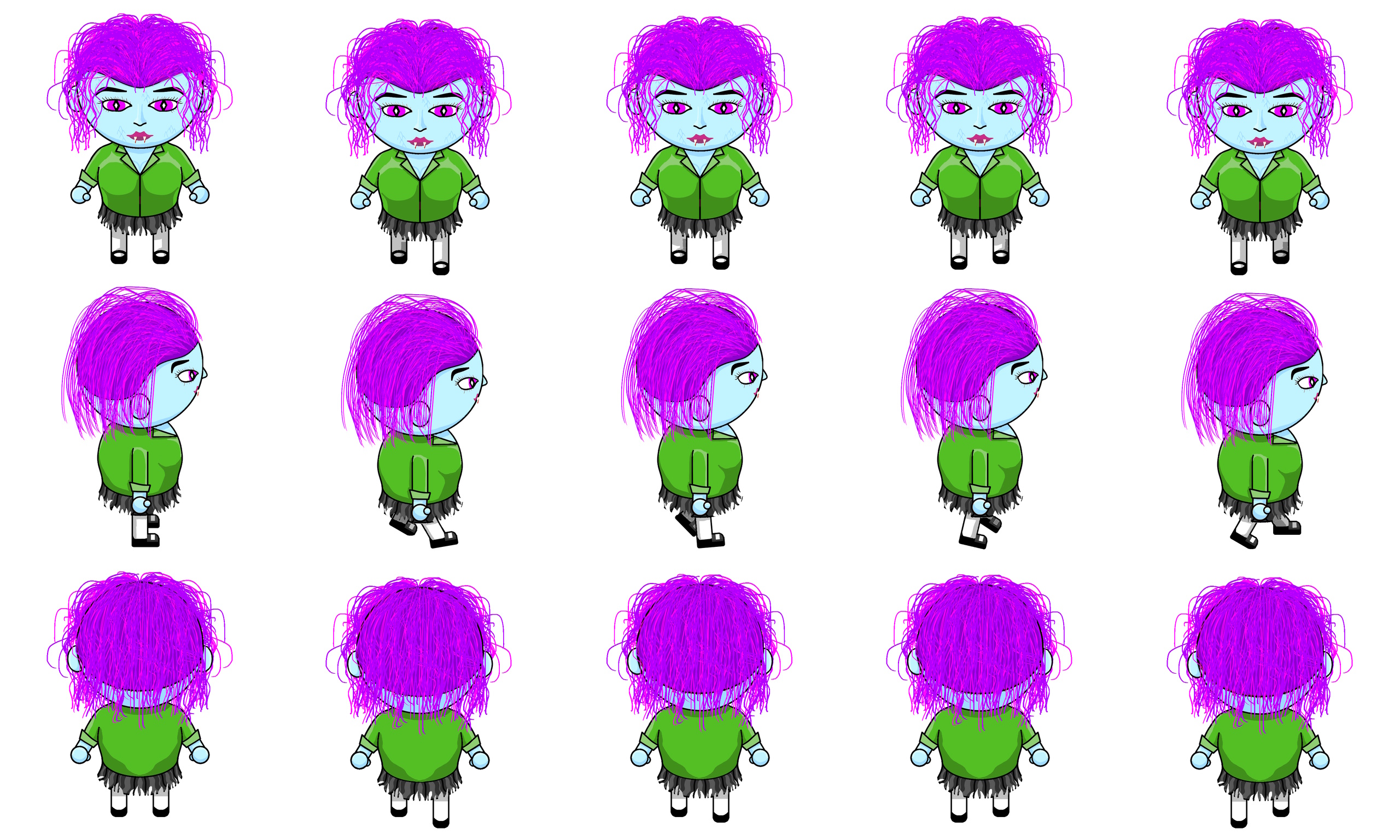
The project combines a top-down roguelike-inspired structure with story progression, collectible books, and character-driven dialogue. My main contribution was the procedural level system, along with character sprite work, animations, and helping structure the game’s narrative flow inside Unity.
Gallery




Overview
The project was created as part of a game design course focused on narrative game development. The goal was to build a 2D game prototype where story, worldbuilding, characters, and dialogue played a central role rather than just serving as background for gameplay.
The game takes inspiration from the historical Library of Alexandria and the idea of lost knowledge. Instead of directly retelling history, the project imagines a librarian protagonist whose attachment to books and knowledge becomes the starting point for a larger journey into another world. That second world is a ruined, knowledge-obsessed dimension filled with enemies and hostile spaces, while the library acts as the ordinary world the player leaves behind.
My role
This was a three-person team project. My main contributions were centered around the technical and visual structure of the game, especially the systems that supported replayability and presentation.
- Designed and implemented the procedural level generation system using predefined room sections
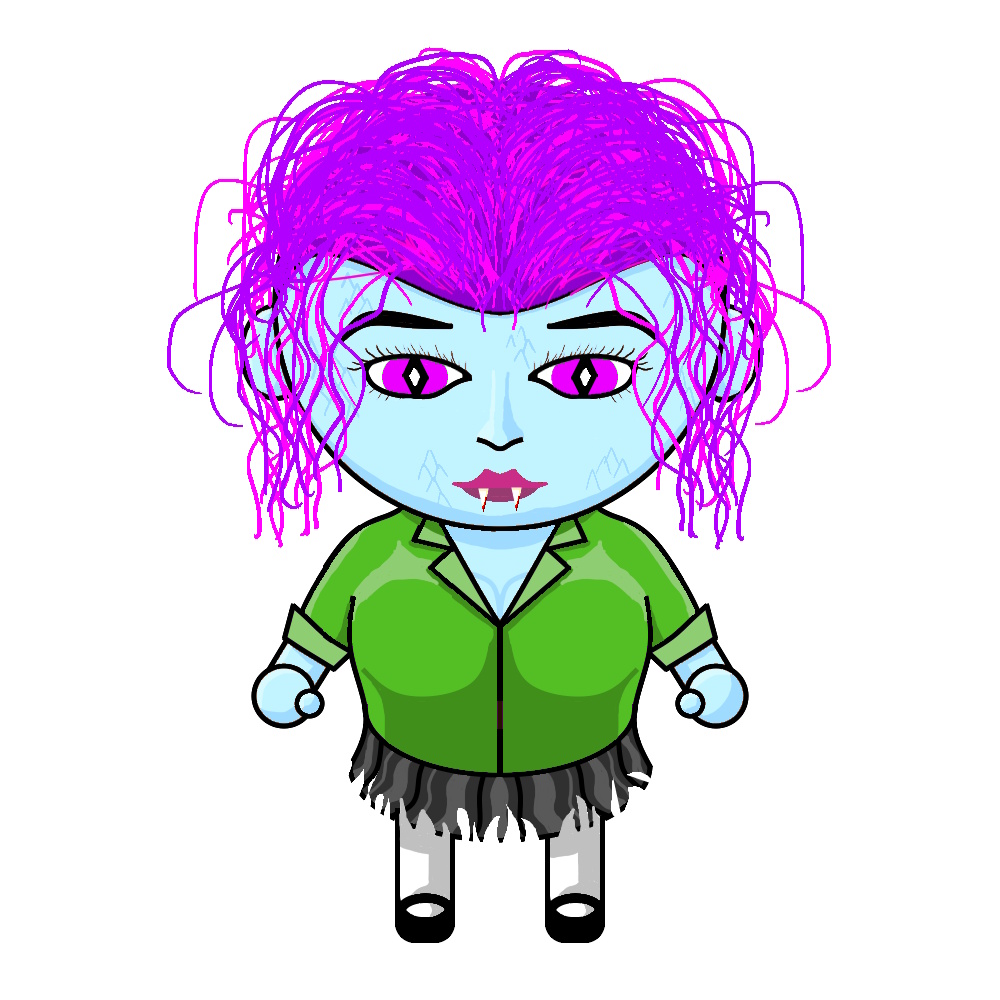
- Worked on character sprites, visual presentation, and animation assets
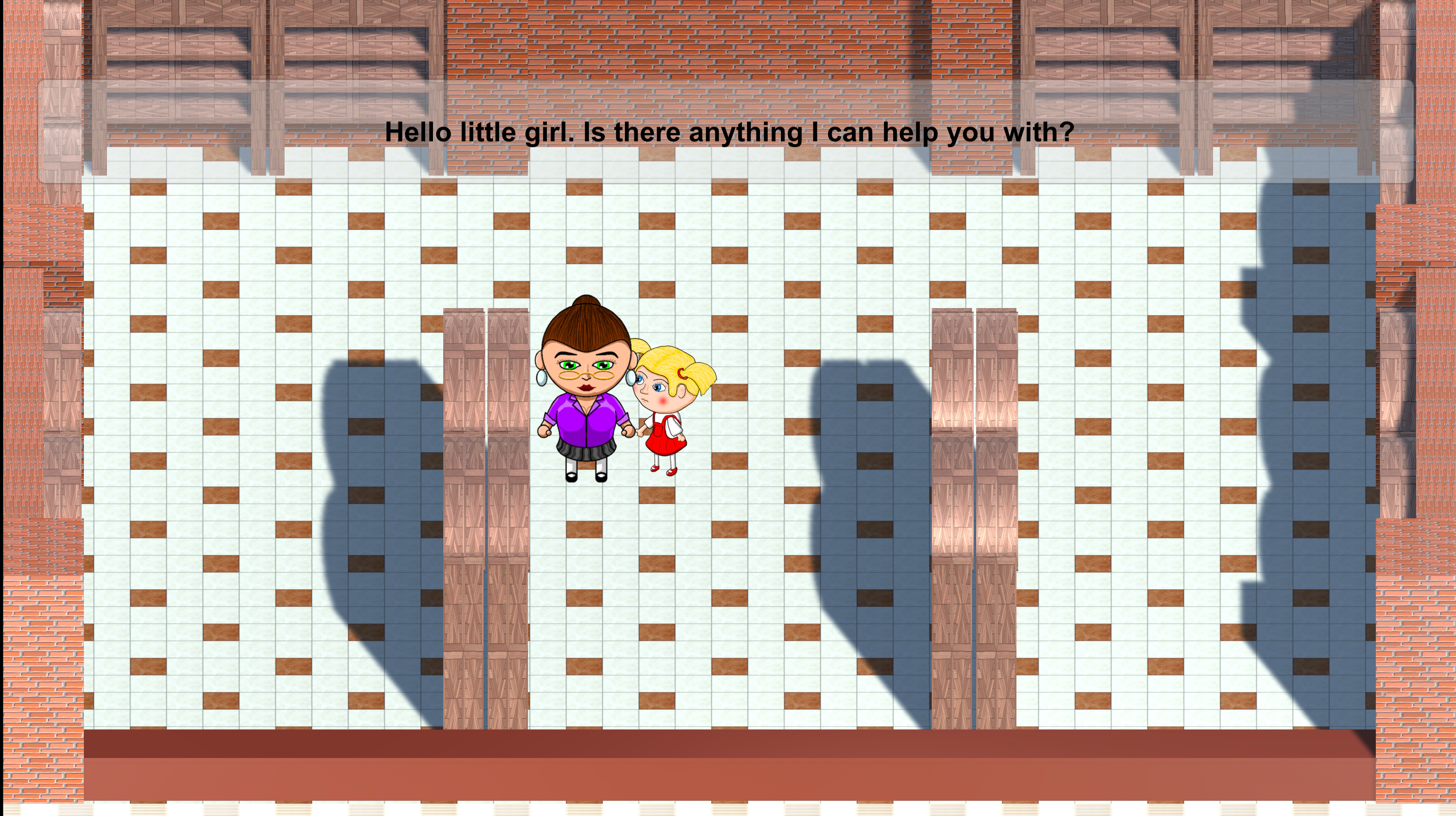
- Helped structure the narrative game flow inside Unity across multiple locations and characters
- Contributed to shaping how the game’s worlds, characters, and progression fit together in practice
Process and development
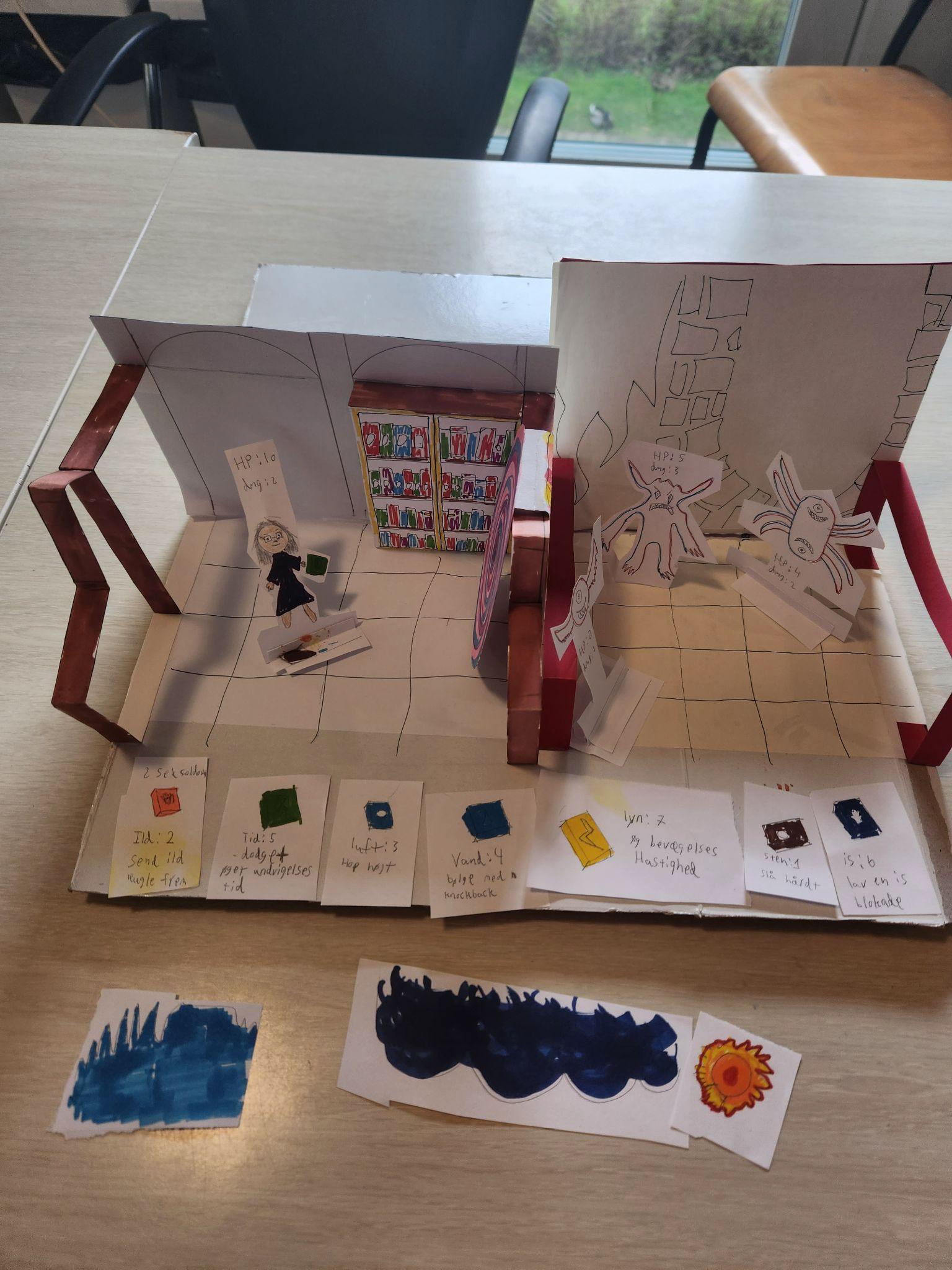
The project began with concept development around title ideas, themes, and possible narrative directions. From there, the team moved into paper prototyping, visual concept work, and early planning for mechanics and world structure. This helped establish both the tone of the game and the relationship between the narrative and gameplay systems.
One of the key gameplay ideas was a roguelike-inspired structure where the player enters dangerous levels, defeats enemies, and collects books that affect progression. The book system was important because it tied mechanics directly to theme: books were not just collectibles, but part of the player’s growth and the overall meaning of the story.
My procedural generation work focused on building levels from predefined sections so that the game world could feel varied while still remaining manageable within the scope of the project. This allowed us to combine authored content with replayable structure, which fit the roguelike direction well.
Challenges and solutions
Challenge
One of the main challenges was making the game feel like both a narrative experience and a playable action-oriented prototype. It needed enough structure and mechanics to be interactive, but still had to keep the story, setting, and character work central to the experience.
Solution
The team solved this by tying mechanics directly to the narrative themes. The books became part of progression, the worlds reflected the story’s contrast between safety and danger, and the characters were designed to visually match the role they played in the story. Usability testing also helped refine interaction choices, including improving how attacks were controlled.
Outcome and reflection
The result was a coherent 2D narrative game prototype with a clear identity, a structured world, and a strong connection between mechanics and story. The project successfully combined dialogue, visual style, progression, and procedural structure into something that felt like more than just a technical demo.
For me personally, the project was especially valuable because it gave me practical experience with procedural world generation, sprite-based presentation, and structuring a story-driven game in Unity. It also reinforced how important it is for different parts of a game — level flow, mechanics, characters, and narrative — to support each other instead of feeling disconnected.
Looking back, this project is a good example of the kind of work I enjoy most: combining systems, visual design, and narrative structure into a playable interactive experience.
Want to see more?
You can go back to the projects overview or get in touch if you want to know more about this project.